My brand new 7-year-old camera
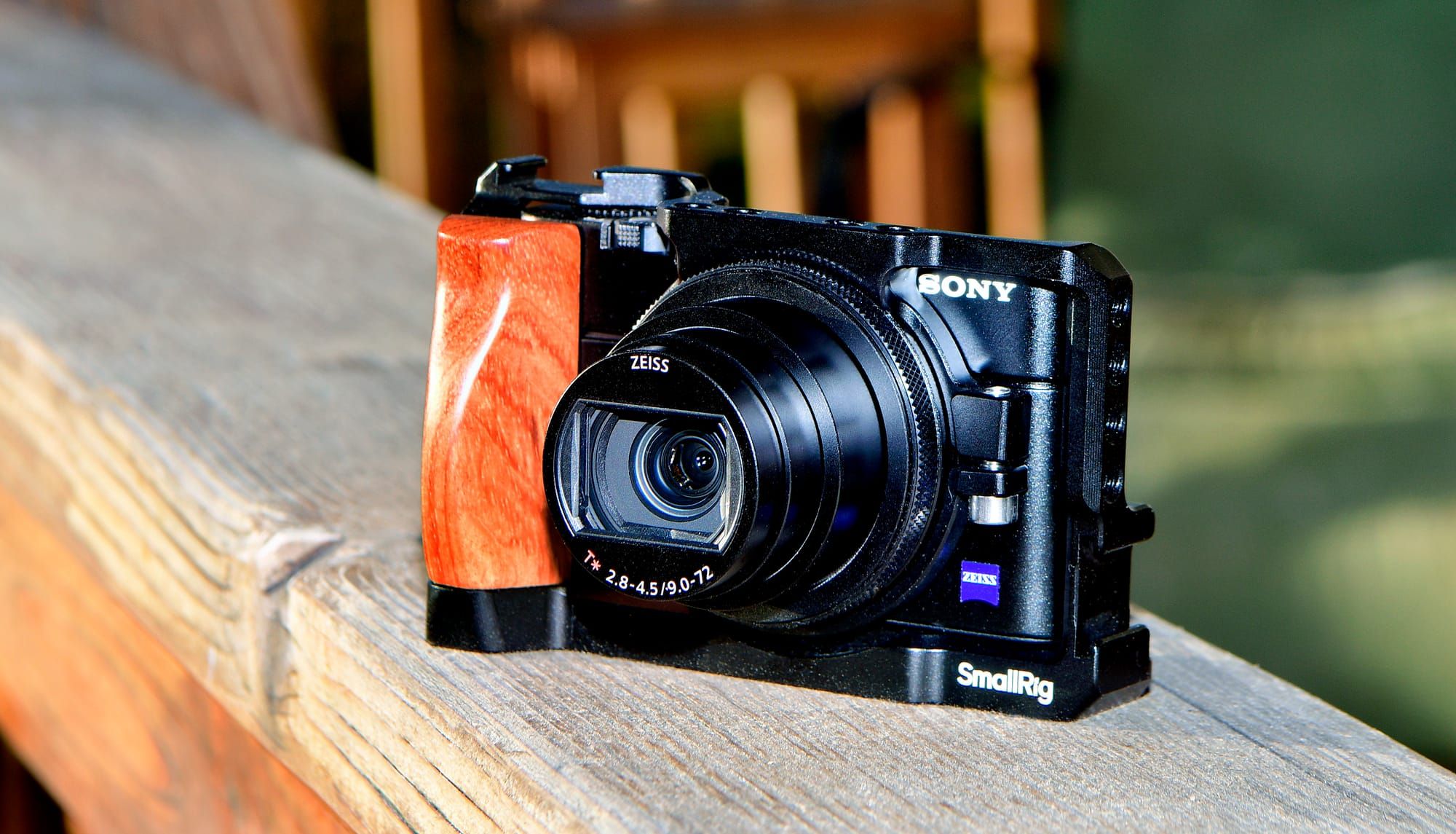
After many years of carrying big heavy DSLR cameras and lenses on hikes, dog walks, vacations, and business trips all over the world, I've decided to try embracing a smaller lighter option. I love the photos I can get with my Nikon D850 and a fast high-quality Nikon lens, but for the photos I take most days, I don't need that level of quality and performance. And the combo I've carried most over the last decade – the D850 with the Nikkor 70-200mm F/2.8 VR II lens – weighs well over 4 pounds and is nearly a foot long, which is a lot to carry around for the off chance that you might see a moose far away or feel like taking a low-light photo after dark.
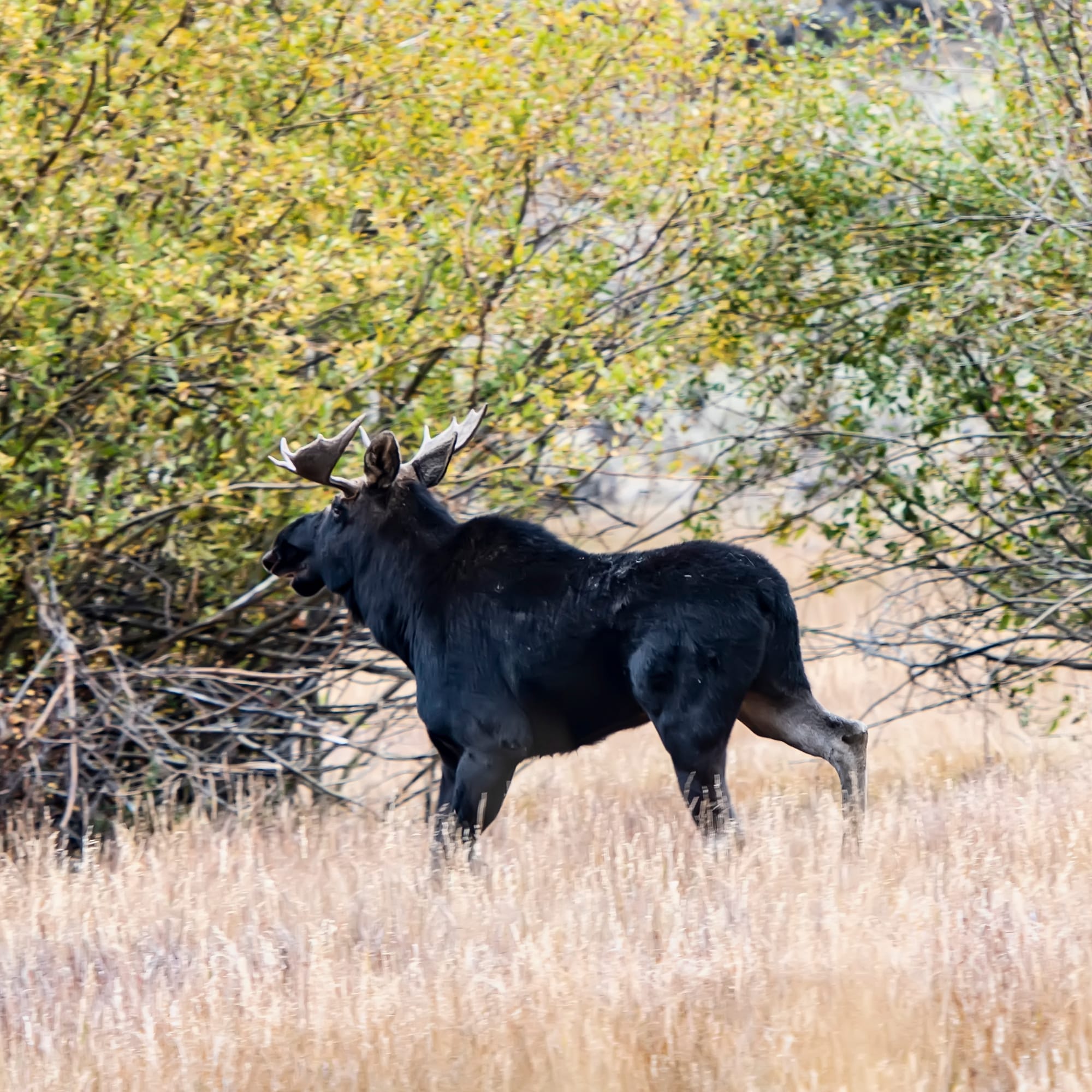


A few examples of photos I've enjoyed taking with the Nikon D850 and 70-200mm f/2.8 lens.
I've been researching compact cameras for a while, looking for something with better ergonomics and more versatility than a smartphone, but more portable than my DSLR. There's one model I've found intriguing that seems to always get mentioned in "best compact cameras" reviews, although compared to other popular pocket-sized options it's much older, more expensive, heavier, more customizable, and loaded with complicated features that some find hard to use. In other words, a perfect fit for me! And that camera is the Sony RX100 VII.
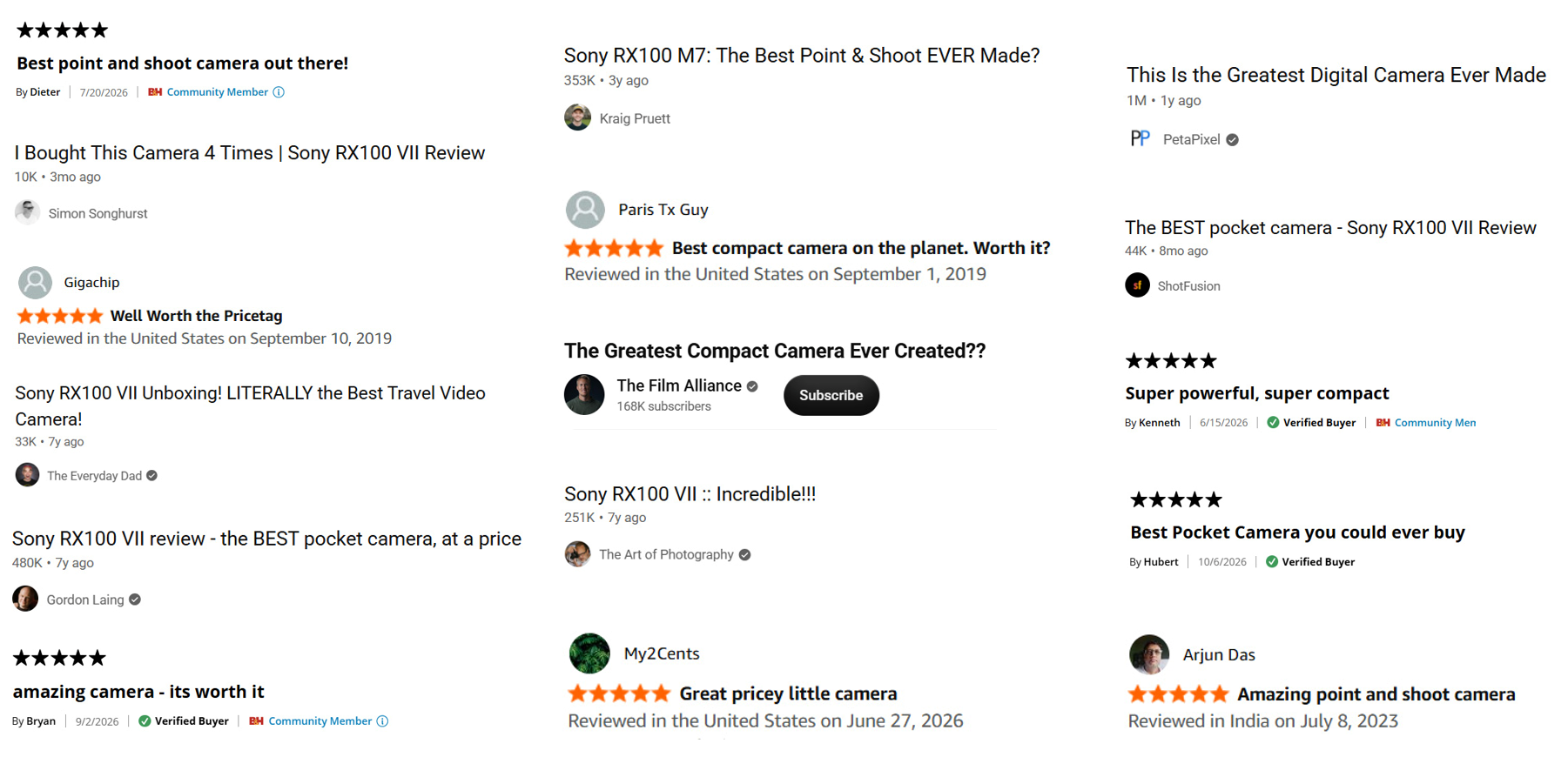
Sony launched its RX100 line of compact cameras in June 2012 with the RX100 I. After releasing seven more models over the next seven years, they released the RX100 VII in July of 2019, and as of this writing in 2026, the RX100 VII is still the latest model in the RX100 line.
Most digital cameras (and digital products in general) quickly become obsolete as newer models come out with improved features, faster performance, reduced pricing, or all of the above. But the Sony RX100 VII is an exception to this rule, a camera that hasn't been surpassed by newer models and has therefore held its value. It sold for $1200 when it was launched, went down to $1099 a year later, and has since gone up in price, selling for $1499 today. Sony continues to sell all the RX100 VIIs they can manufacture, and it seems to be even more popular today than when it was launched in 2019.
One explanation for this unusual situation is that the RX100 VII has so many features, and such great performance (in its autofocus in particular), that it can't be improved upon without turning it into a larger camera. It seems to represent a sweet spot in the compromise between size and features that any small camera represents.
Regarding those features, here are some of the things that the RX100 VII offers which aren't available in most compact cameras. All of this is packaged in a tiny metal body that feels sturdy and substantial compared to the cheap feel of many other compact cameras:
- A built-in Zeiss 24-200mm F/2.8-4.5 zoom lens.
- A high-performance autofocus system with 357 sensors and real-time eye and face detection and tracking.
- Burst shooting of up to 20 frames per second for capturing precise moments in sports and action photos. As an example of the solid all-around engineering of this camera, both the autofocus system and the viewfinder can keep up with this 20 frames per second pace: every photo is in focus, and there is never nay lag or blackout in the viewfinder.
- 4K video, as well as high frame rate slo-motion video at 240, 480, or 960 frames per second.
- An external microphone jack, allowing the use of high-quality microphones and pre-amps when recording video.
- A bright pop-up viewfinder, built-in flash, and 3-inch tilting rear LCD screen.
The RX100 does have some limitations, of course. These seem to be the biggest complaints among the minority of owners who aren't thrilled with it:
- It uses a 20-megapixel 1-inch sensor, which provides relatively low resolution compared to larger sensors, and doesn't work very well in low-light photos. I don't mind these limitations, because I still have my full-frame Nikon D850 for high resolution and low-light performance when I want it.
- Battery life is terrible, because it uses tiny Sony NP-BX1 1240 mAh lithium-ion rechargeable batteries. I bought three batteries with the camera, and I've already ordered two more. It's worth noting that both the sensor size and the battery life are related to the camera's tiny size: addressing either of those would make the camera larger.
- The small slick body can be hard to hold securely. In the photo at the top of the post, you can see that I've added a SmallRig aluminum cage to mine, which has a wooden handle to make the camera easier to handle, at the cost of making it a little larger.
- Like other Sony cameras, the RX100 VII uses a notoriously complicated menu system. I've spent many hours learning my way around this weekend and am starting to get more proficient, but there's definitely a learning curve if you're coming from another camera manufacturer's approach.
- There's quite a bit of lens distortion when using the zoom at wide angles, although that's typical of these types of lenses. It's easy to correct that distortion in photo editing software if needed.
I decided a couple of weeks ago that I wanted an RX100 VII, but I was holding back because of the price. And then I realized that I could get one for free!
In 2022, I was making plans to go to the National Senior Games in Fort Lauderdale, Florida, to photograph my uncle Don Phillips, a perennial star of the Senior Games over the last three decades in track and field events. To get the best possible photos, I decided to invest in Nikon's flagship DSLR camera model, the one that many professional sports photographers use: the Nikon D6. It was the most expensive camera I've ever bought, and then just one week before the Senior Games, I came down with COVID and couldn't go!
My D6 has been sitting on a shelf ever since. I've only used it a few times, and honestly I've been afraid to use it, because it's a very expensive camera body that I could destroy by dropping it.
So I converted the D6 into a Sony RX100 VII and a bunch of accessories, at no out of pocket cost to me. Adorama (my favorite big camera store, in New York) gave me $2580 store credit for my D6, and I spent that credit on a $1499 RX100 VII and over $900 of accessories: audio gear, bags and straps, the aluminum cage, a few mounting devices and a tripod, etc, etc.
I love this camera so far, and I've barely scratched the surface of what it can do. This post is just to share that I got one, and after I get to know it a lot better, I'll do a post about the details of how it works, how I have it set up, and so on.
I'll end with a few example photos, from a photo walk around Uptown Butte this afternoon ...
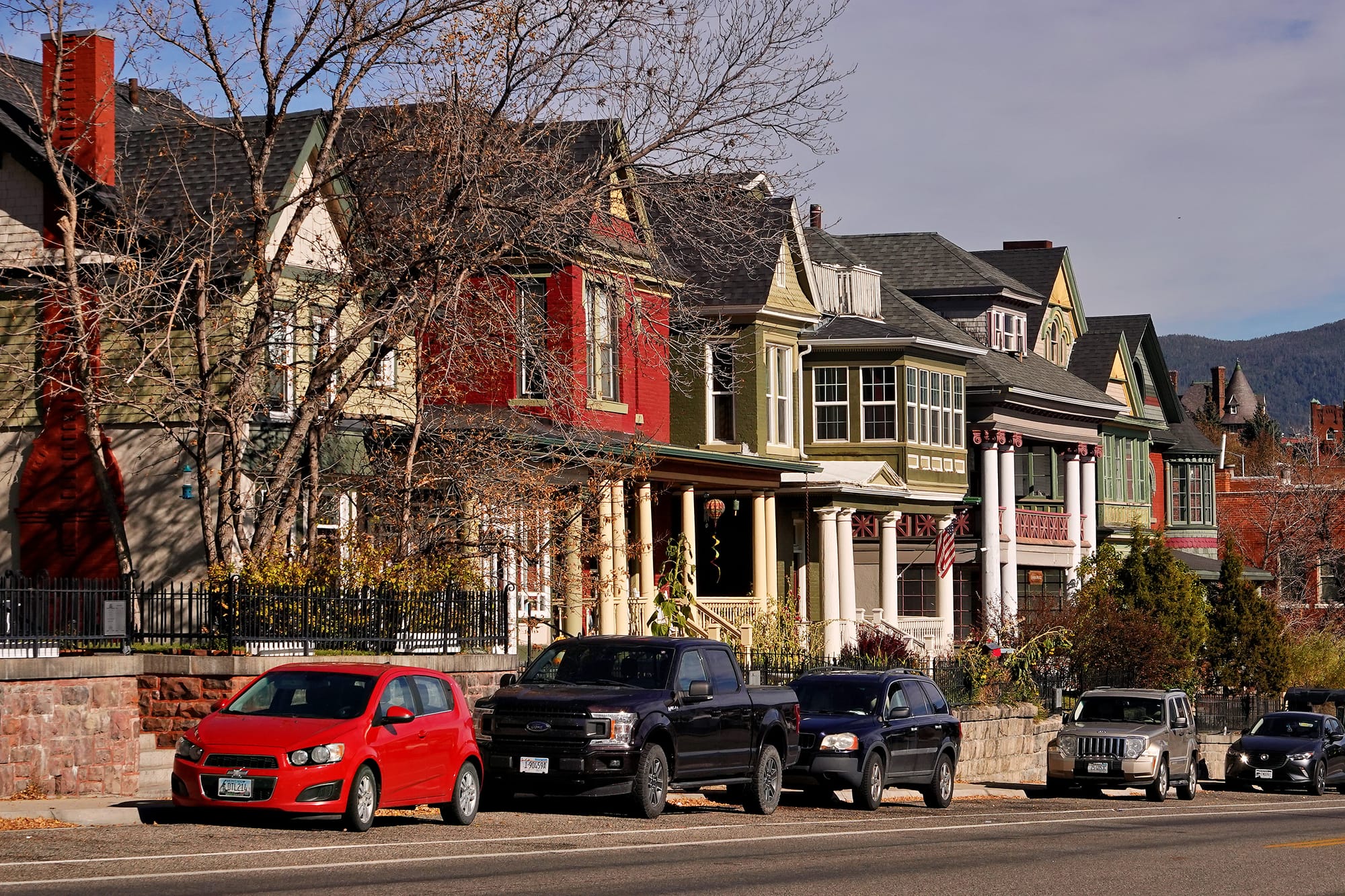


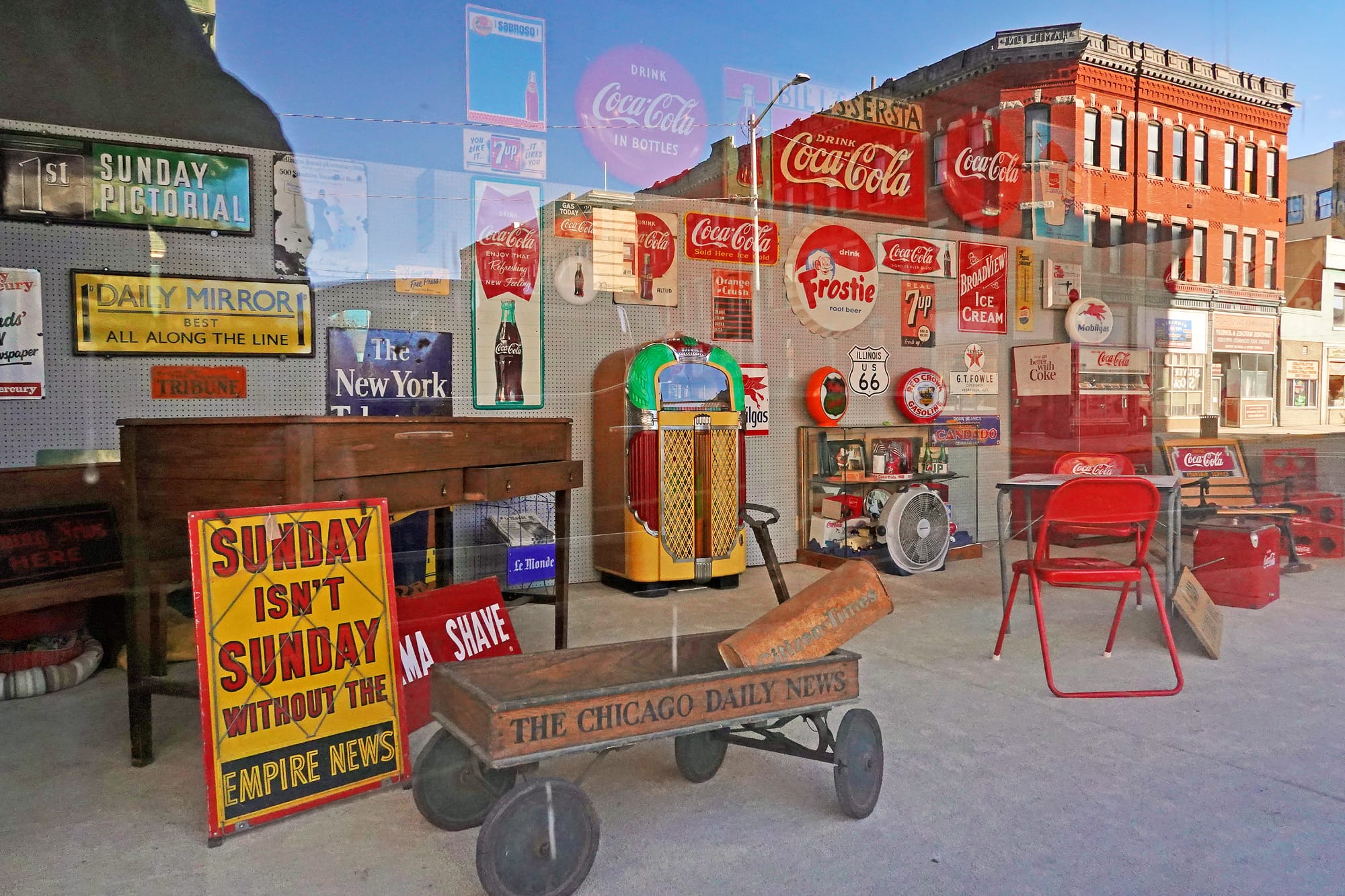

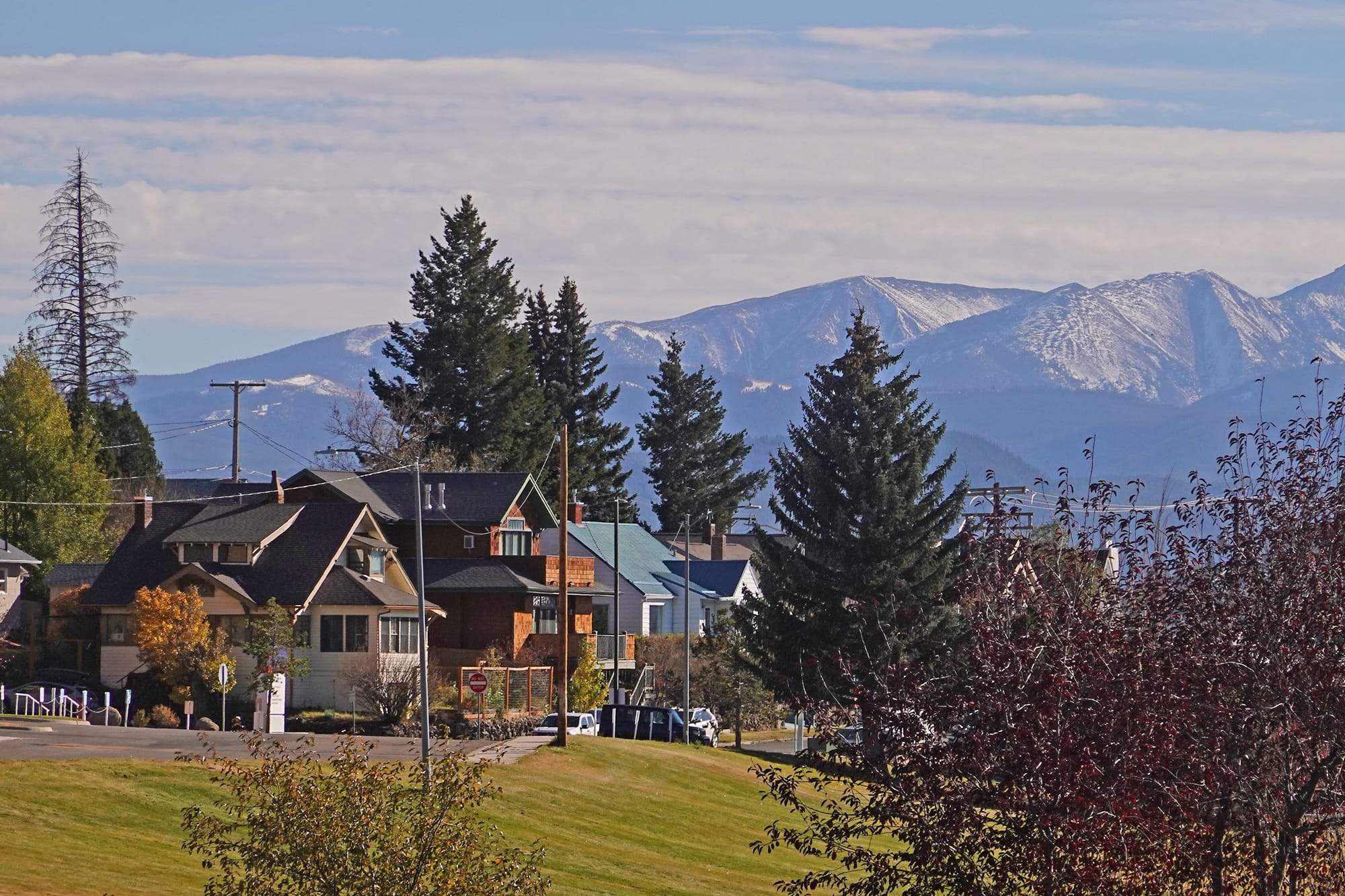

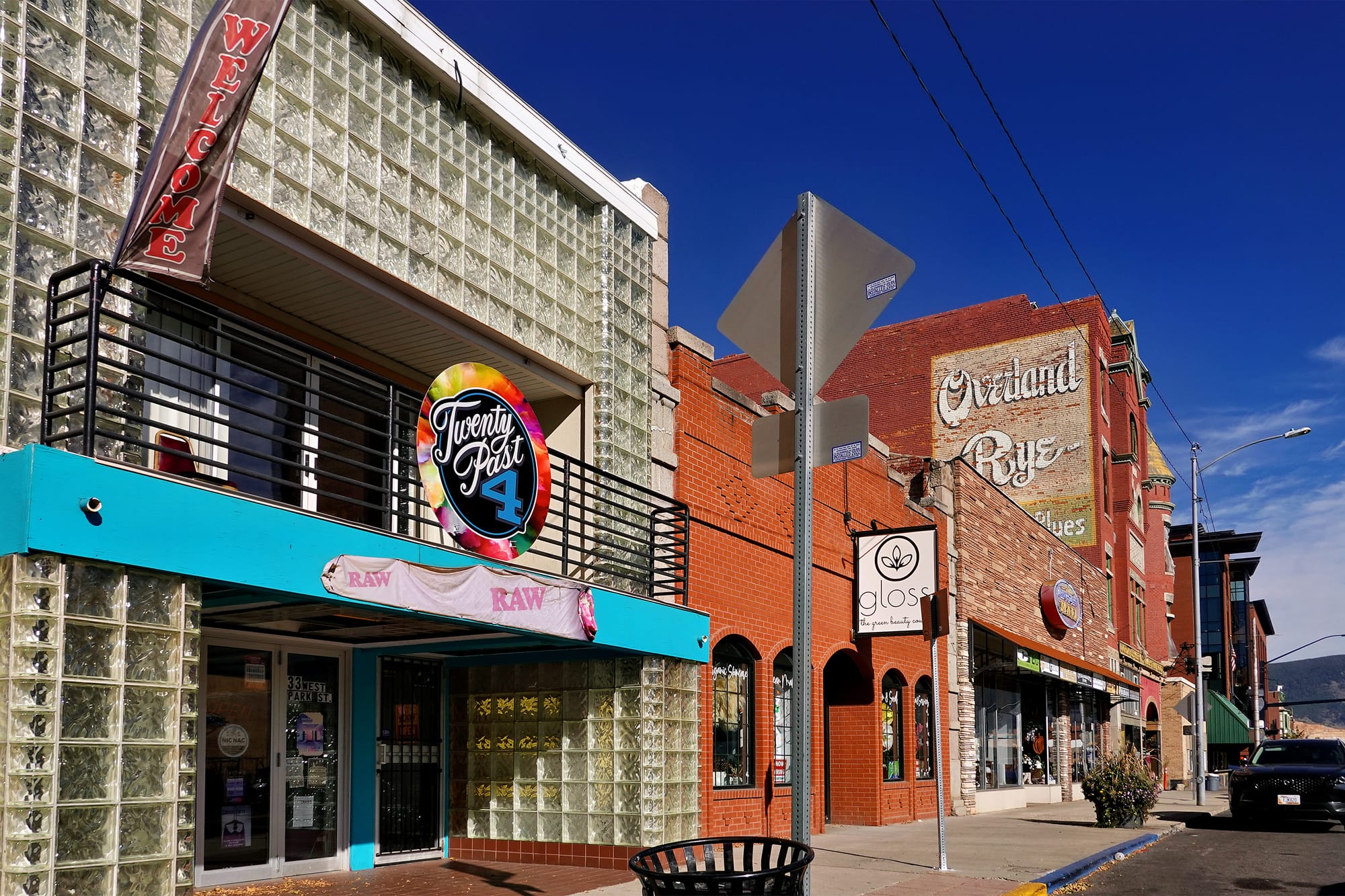

A few snapshots around Uptown Butte with the RX100 VII. FYI, the last two photos in this set were taken with the zoom lens wide open, which had some distortion (edges of buildings not parallel) that I corrected in post-processing. Other than that, these photos are straight out of the camera.