Cocaine, caffeine, and carbs

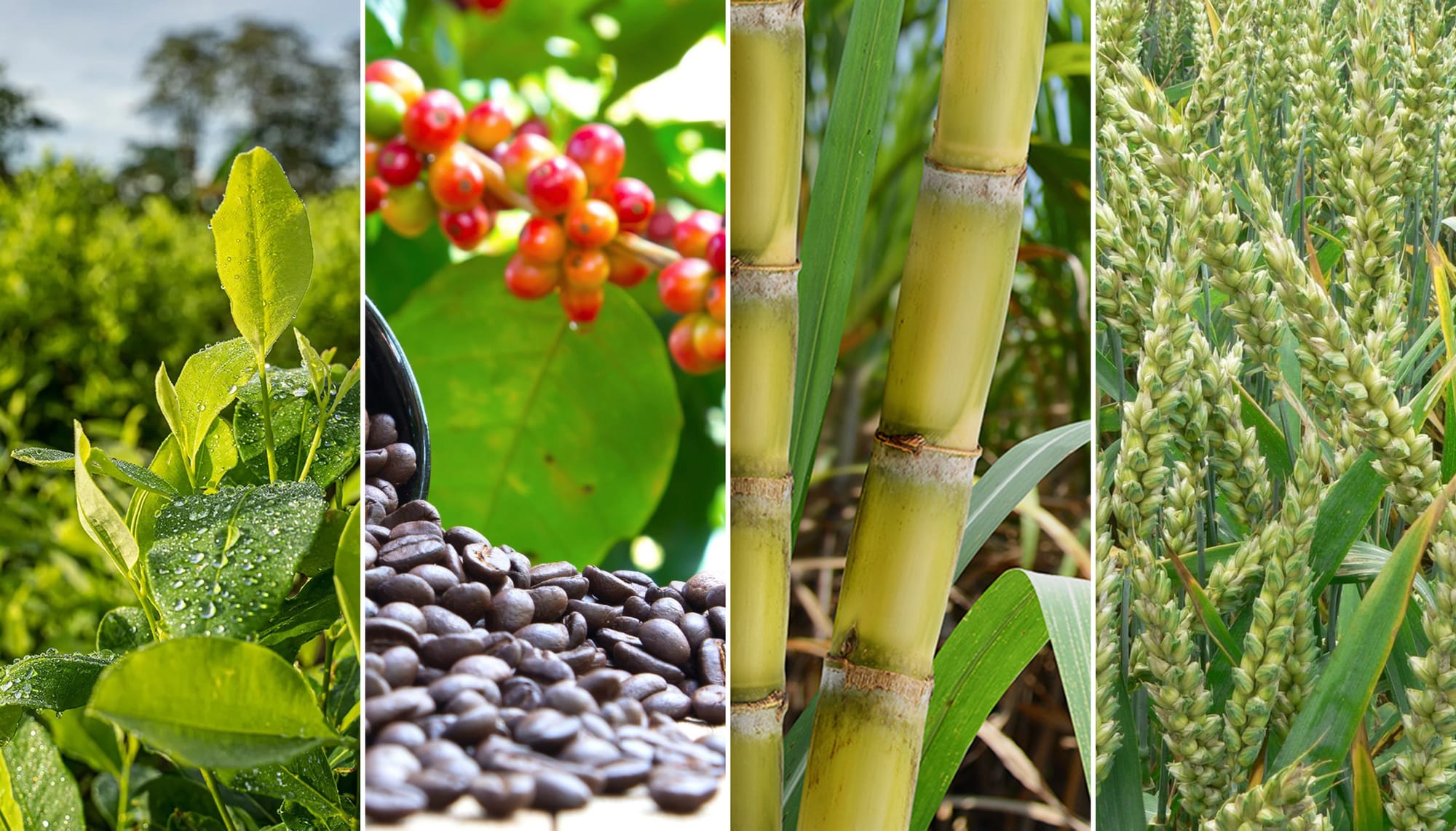
Does the human body need cocaine for normal day-to-day functioning? Some people manage to convince themselves that it does. If you do cocaine regularly, enjoying the euphoria of that big dopamine hit, then on a day when you don't do any cocaine you'll feel lethargic and depressed. No worries, just need a quick little bump and you'll be back to good, right? "I need my cocaine!"
How about caffeine – does the human body need caffeine? If you drink coffee first thing every morning, you're probably convinced that it does. On a day when you don't do any coffee you'll feel groggy and slow-witted. No worries, just need a quick cup of joe and you'll be back to good, right? "I need my coffee!"
Does the human body need carbohydrates? If you're accustomed to getting lots of carbs in your diet every day, especially high glycemic carbs with lots of refined sugar or wheat flour in them, you probably think that it does. On a day when you don't eat your usual allotment of carbs, you'll feel low-energy. No worries, just need a quick Snickers bar and you'll be back to good, right? "I need my carbs!"
OK, I'll admit that the cocaine example is a bit silly. And to be fair, cocaine is an extreme case because it triggers a specific physiological process that causes feelings of euphoria, which is what makes it so addictive. But cocaine, caffeine, and carbs are all organic compounds that you will feel a "need" for if you choose to take them every day.
In the case of caffeine, it makes you feel wide awake because it blocks adenosine receptors in your brain and nervous system. Adenosine is a naturally occurring compound that builds up in your body throughout the day and leads to feelings of drowsiness when it's time to sleep. There's usually still some adenosine in your system when you wake up, and you can either let it naturally subside as your cortisol level naturally rises in the morning, or you can use coffee to get rid of the drowsiness right away.
I've become a fan of letting my adenosine drop naturally in the morning and then enjoying my coffee. By doing this, I don't feel any need for coffee and don't miss it when it isn't available. For example, I enjoy staying at primitive forest service cabins in the mountains with my dogs, and I've never bothered to make coffee in the morning during those outings. It would be a drag to feel a need to fuss around with domestic chores like making a fire and making coffee every time – I prefer to simply enjoy the solitude and sunrise.
With carbs, it's more complicated than coffee. I'm no expert, so I won't bother to try to explain the full physiology of it, but the core concept is that your body can run on either of two types of energy: glucose or ketones. Glucose is the energy you get from the sugar high of a Snickers bar, and when your body senses a lack of glucose availability, then you go into a metabolic state called ketosis, during which you burn your own body fat for energy. Sprinters run on glucose, ultra-marathoners run on ketones.
A few years ago I worked with a nutritionist in Seattle to lose 40 pounds after I had both of my hips replaced, and the main thing we did was to eliminate carbs from my diet for a few months. Now that I'm getting back to full strength after my knee replacement last year, I'm going to try going no-carbs for a while once again. I went from 260 to 220 after the hip replacements, am back up to 230 now, and my goal is to get under 200 this summer.
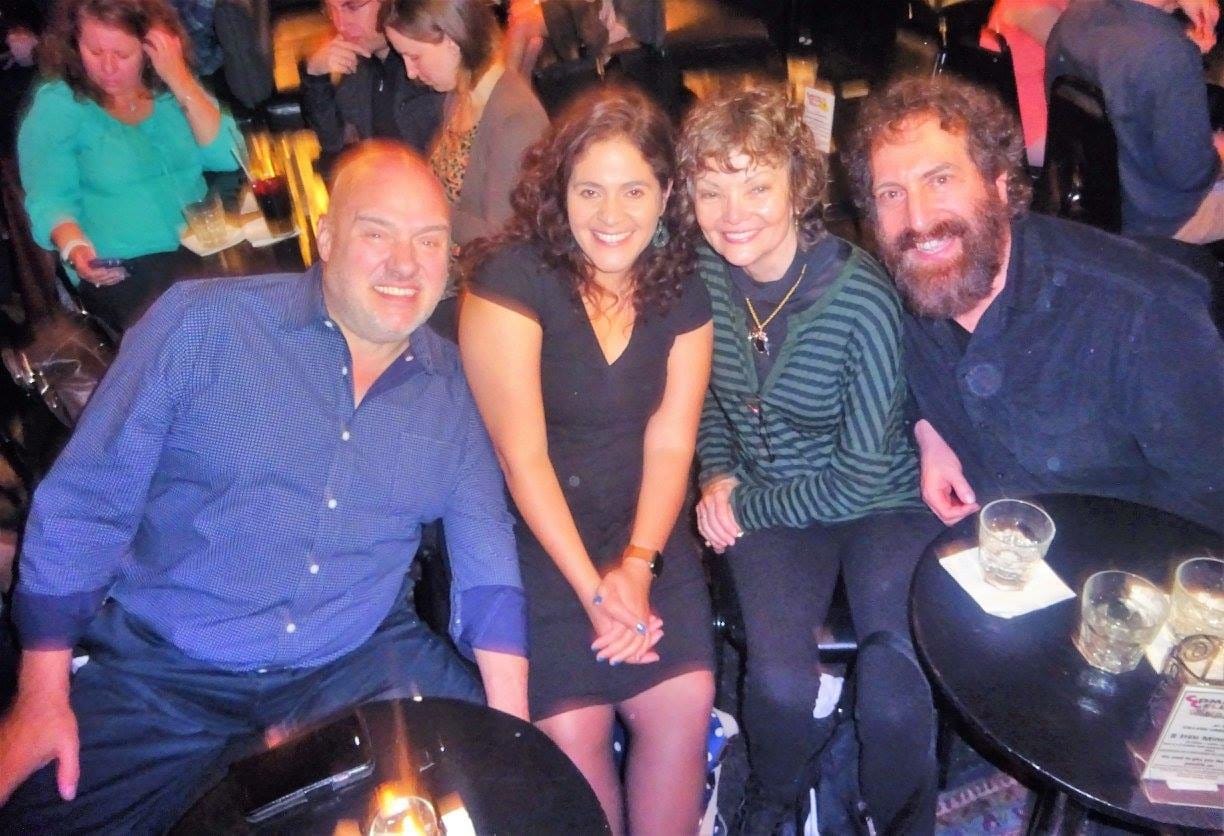

in the first half of 2017, I tried eliminating carbs from my diet. These aren't the best before-and-after shots, but I lost over 40 pounds. On the left is one of my last drinks before that experience, and on the right is one of my first drinks after.
I wrote this post while sipping water early this morning, and now that I've had my 8AM natural cortisol spike and the 5AM adenosine grogginess has disappeared, I'm feeling wide awake, alert, and ready for some black coffee. I'll be doing some caffeine today, but no cocaine or carbs. To each their own.